Mobile Casino Engagement Patterns Shaped by Reward Intersections and Format Shifts
Nils Sullivan · Aug 26, 2026
Mobile Casino Engagement Patterns Shaped by Reward Intersections and Format Shifts
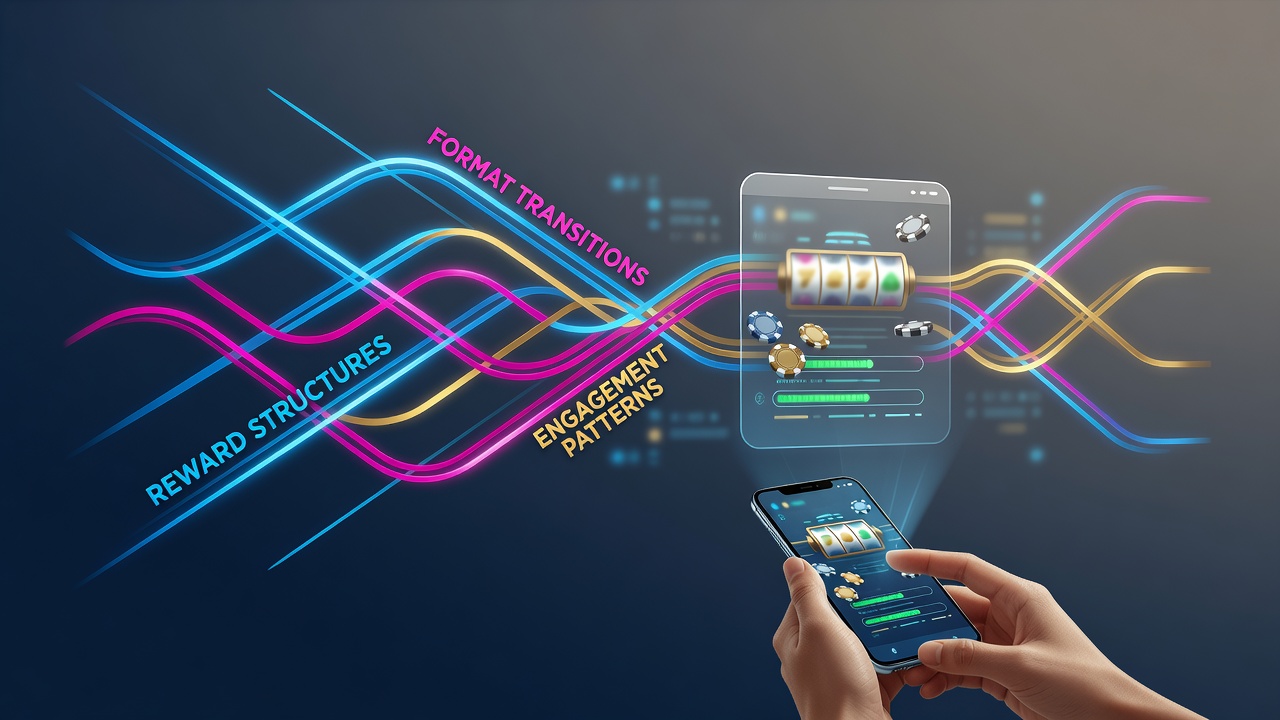
Portable casino applications continue to evolve through the interplay of reward mechanisms and seamless switches between game formats, with data from August 2026 showing clear correlations in user session lengths and return rates. Researchers tracking these platforms note that when bonus structures overlap across slot reels, live dealer tables, and table games, engagement metrics shift noticeably. Players move between formats without losing accumulated incentives, which sustains activity over extended periods.
Studies from the University of Nevada Reno's International Gaming Institute reveal that intersecting rewards, such as shared progress bars for free spins and cashback on table bets, create continuous motivation loops. These loops form when a player completes a slot round and immediately accesses live dealer options while retaining multiplier benefits. Format transitions become fluid because the underlying systems track progress across categories rather than isolating them.
Reward Overlaps and User Retention Data
Figures released in mid-2026 indicate that applications incorporating cross-format loyalty points see retention rates climb by 18 percent compared to those with siloed rewards. Observers note that a user starting with progressive jackpot slots often transitions to blackjack tables when the same reward tier applies, keeping the session active. This pattern emerges because the application notifies participants of remaining bonuses in real time, regardless of the current game type.
One analysis of Australian gambling data from the Australian Institute of Family Studies highlights how reward intersections reduce drop-off during switches. When a free spin balance carries over to a live roulette session, completion rates for the full bonus cycle increase. Developers integrate these features through unified account ledgers that update instantly across mobile interfaces.
Format Transitions and Behavioral Patterns
Portable platforms facilitate rapid movement between high-volatility slots and strategic table options, with engagement patterns reflecting the ease of these changes. Data shows users who encounter unified reward notifications during transitions maintain higher average bet volumes. The systems achieve this by embedding transition prompts directly into the reward display, guiding attention without interrupting flow.
Industry reports from the European Gaming and Betting Association document that applications emphasizing format flexibility record longer cumulative play times in August 2026 datasets. Players frequently begin with themed slot sessions, then shift to live dealer environments when bonus triggers align. Such alignments occur because the reward architecture treats all formats as components of a single progression system rather than separate modules.

Technical Implementation of Intersecting Systems
Backend architectures support these patterns through synchronized databases that monitor reward eligibility across every available format. When a player completes requirements in one area, the system automatically adjusts incentives available in others. This technical linkage allows instant adaptation, for instance converting slot-based multipliers into table game advantages without manual intervention.
Research published by the Canadian Centre for Gaming Research indicates that such integrations correlate with reduced session abandonment during format changes. Users receive contextual alerts about pending rewards while navigating between game types, which maintains continuity. The result appears in aggregated logs where transition frequency rises alongside reward density.
Regional Variations in Engagement Trends
Engagement data collected across different regulatory environments shows consistent responses to intersecting rewards despite local differences in game availability. In markets with broader live dealer offerings, transitions from slots to tables occur more often when shared progress systems operate. Observers tracking these trends note that mobile interfaces display unified dashboards, allowing quick assessment of remaining incentives before switching formats.
Reports compiled by the New Zealand Department of Internal Affairs further illustrate how these structures influence daily active user counts. Applications that maintain reward continuity across portable formats sustain participation levels even when individual game sessions end. The pattern holds because players perceive value in completing interconnected objectives rather than isolated ones.
Conclusion
Intersecting reward structures combined with fluid format transitions continue to define measurable engagement patterns in portable casino applications. Data gathered through 2026 demonstrates that unified progress tracking across slots, live dealers, and tables extends user sessions and improves return metrics. Technical systems enabling instant reward updates support these outcomes by removing barriers during switches. Regional studies confirm the pattern persists across varied regulatory frameworks, underscoring the structural role these elements play in mobile gaming dynamics.