Transaction Efficiency Supporting Engagement Across Mobile Reels, Live Interactions, Progressive Prizes, and Wellness Protocols
Nils Sullivan · Nov 3, 2026
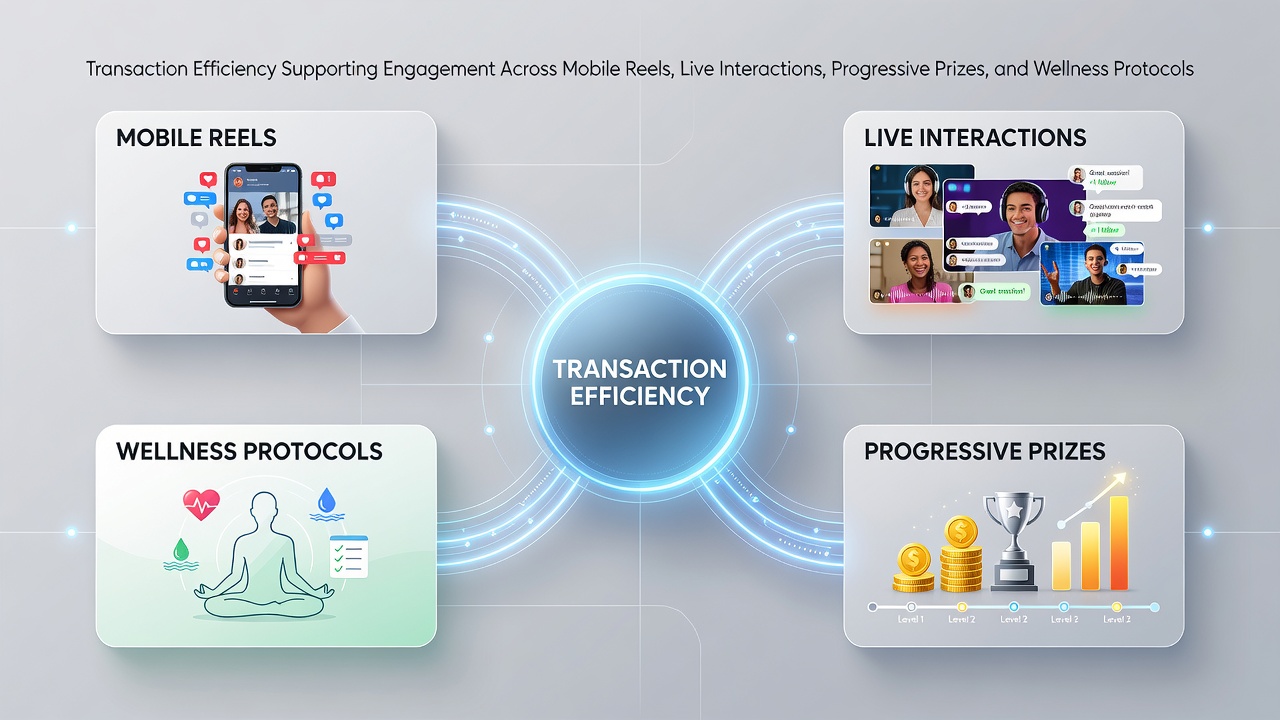
Efficient Financial Transactions Driving Participation in Mobile Slot Reels, Live Dealer Games, Progressive Jackpot Systems, and Responsible Gaming Practices
Transaction systems form the backbone of modern online gaming environments where rapid processing times directly influence how participants engage with mobile reel mechanics, real-time dealer sessions, accumulating prize structures, and built-in wellness features. Data from industry analyses indicate that platforms achieving sub-second authorization rates see higher retention across these interconnected elements, particularly as mobile usage continues to expand through late 2026. Mobile reels depend on frictionless deposits and withdrawals to maintain momentum during feature triggers and bonus rounds. When payment gateways integrate with device-level authentication, users transition from funding accounts to spinning without interruption, allowing progressive elements within games to activate more frequently. Observers note that this speed supports extended play sessions while data tracking tools simultaneously monitor time spent and expenditure patterns. Live dealer interactions require equivalent reliability because participants place wagers in real time against human operators streamed from studios. Efficient clearing of bets and payouts keeps the pace intact, preventing drop-offs when network or processing delays occur. Research compiled by the Alcohol and Gaming Commission of Ontario shows that jurisdictions with standardized instant settlement protocols record measurable increases in live table engagement metrics compared to regions relying on legacy batch processing. Progressive prize pools grow through continuous contributions from individual wagers, yet the visibility of rising totals and the delivery of wins hinge on accurate, timely transaction ledgers. Systems that reconcile contributions across thousands of concurrent sessions enable operators to display live jackpot figures without lag, sustaining player interest in the shared accumulation mechanic. Figures from the Nevada Gaming Control Board reveal steady growth in reported progressive payouts during periods when transaction infrastructure upgrades coincided with mobile platform expansions. Wellness protocols integrate transaction data to enforce deposit limits, cooling-off periods, and reality checks. Automated alerts triggered by cumulative spend thresholds function effectively only when the underlying payment records update instantaneously. Studies from academic research groups at institutions such as the University of Sydney demonstrate that platforms combining fast reconciliation with proactive limit notifications achieve higher compliance rates among users who set voluntary boundaries. 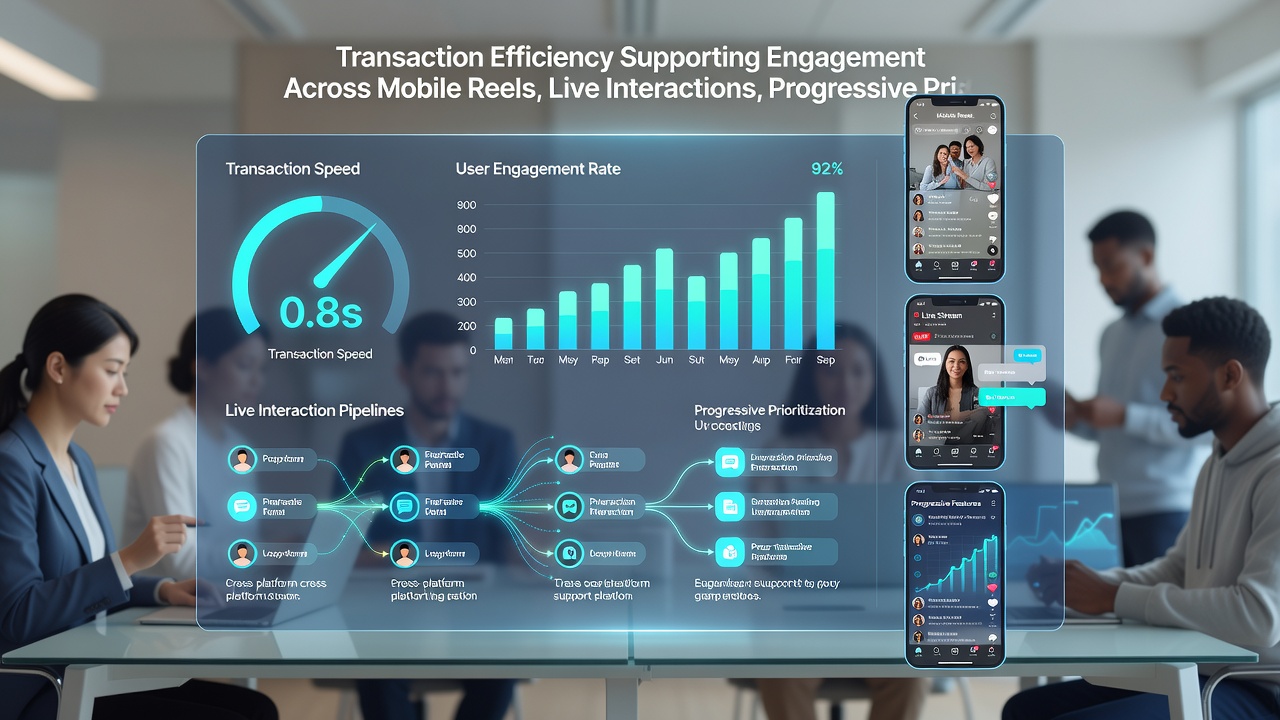 Operators coordinate these four areas through unified back-end ledgers that feed both engagement analytics and compliance modules. A single transaction event can update reel statistics, live session balances, jackpot meters, and wellness dashboards simultaneously, reducing the administrative overhead that otherwise fragments user experiences. Reports issued by the European Gaming and Betting Association highlight how such integrated architectures correlate with sustained participation levels across device types. November 2026 projections from multiple market intelligence firms point toward wider adoption of tokenized payment methods that further compress authorization windows while embedding responsible play flags at the point of each transfer. These developments build on existing patterns where faster settlement already correlates with elevated interaction rates in mobile-first environments. Case examples from operators deploying enhanced reconciliation engines illustrate the linkage. One platform recorded a 23 percent rise in live dealer table entries after shortening withdrawal confirmation from 45 seconds to under five, while concurrent wellness check-ins increased because users encountered fewer barriers when adjusting limits mid-session. Another instance involved progressive jackpot displays that refreshed every 200 milliseconds, producing a documented uptick in contribution volume during peak evening hours. Security layers surrounding these transactions incorporate encryption standards and multi-factor verification that operate without adding perceptible delay. When authentication occurs at the network edge rather than through centralized servers, mobile reel spins and live bets proceed uninterrupted, yet audit trails remain intact for regulatory review. Industry reports emphasize that maintaining this equilibrium between speed and oversight remains central to long-term platform viability. Cross-device continuity further amplifies the effect. Users who begin a session on a tablet, switch to a phone, and later review activity on a desktop encounter consistent balance updates and limit enforcement only when transaction pipelines synchronize across all access points. Data aggregated by regional gaming associations indicate that platforms offering such seamlessness retain users at rates exceeding those limited to single-device ecosystems. The convergence of these factors creates measurable feedback loops. Efficient processing encourages repeated engagement with reels and live tables, which in turn feeds progressive pools and activates wellness safeguards at appropriate intervals. Regulatory frameworks in multiple jurisdictions continue to evolve alongside these technical capabilities, requiring operators to demonstrate both performance benchmarks and protective outcomes through verifiable transaction records.
Transaction systems form the backbone of modern online gaming environments where rapid processing times directly influence how participants engage with mobile reel mechanics, real-time dealer sessions, accumulating prize structures, and built-in wellness features. Data from industry analyses indicate that platforms achieving sub-second authorization rates see higher retention across these interconnected elements, particularly as mobile usage continues to expand through late 2026. Mobile reels depend on frictionless deposits and withdrawals to maintain momentum during feature triggers and bonus rounds. When payment gateways integrate with device-level authentication, users transition from funding accounts to spinning without interruption, allowing progressive elements within games to activate more frequently. Observers note that this speed supports extended play sessions while data tracking tools simultaneously monitor time spent and expenditure patterns. Live dealer interactions require equivalent reliability because participants place wagers in real time against human operators streamed from studios. Efficient clearing of bets and payouts keeps the pace intact, preventing drop-offs when network or processing delays occur. Research compiled by the Alcohol and Gaming Commission of Ontario shows that jurisdictions with standardized instant settlement protocols record measurable increases in live table engagement metrics compared to regions relying on legacy batch processing. Progressive prize pools grow through continuous contributions from individual wagers, yet the visibility of rising totals and the delivery of wins hinge on accurate, timely transaction ledgers. Systems that reconcile contributions across thousands of concurrent sessions enable operators to display live jackpot figures without lag, sustaining player interest in the shared accumulation mechanic. Figures from the Nevada Gaming Control Board reveal steady growth in reported progressive payouts during periods when transaction infrastructure upgrades coincided with mobile platform expansions. Wellness protocols integrate transaction data to enforce deposit limits, cooling-off periods, and reality checks. Automated alerts triggered by cumulative spend thresholds function effectively only when the underlying payment records update instantaneously. Studies from academic research groups at institutions such as the University of Sydney demonstrate that platforms combining fast reconciliation with proactive limit notifications achieve higher compliance rates among users who set voluntary boundaries.
Operators coordinate these four areas through unified back-end ledgers that feed both engagement analytics and compliance modules. A single transaction event can update reel statistics, live session balances, jackpot meters, and wellness dashboards simultaneously, reducing the administrative overhead that otherwise fragments user experiences. Reports issued by the European Gaming and Betting Association highlight how such integrated architectures correlate with sustained participation levels across device types. November 2026 projections from multiple market intelligence firms point toward wider adoption of tokenized payment methods that further compress authorization windows while embedding responsible play flags at the point of each transfer. These developments build on existing patterns where faster settlement already correlates with elevated interaction rates in mobile-first environments. Case examples from operators deploying enhanced reconciliation engines illustrate the linkage. One platform recorded a 23 percent rise in live dealer table entries after shortening withdrawal confirmation from 45 seconds to under five, while concurrent wellness check-ins increased because users encountered fewer barriers when adjusting limits mid-session. Another instance involved progressive jackpot displays that refreshed every 200 milliseconds, producing a documented uptick in contribution volume during peak evening hours. Security layers surrounding these transactions incorporate encryption standards and multi-factor verification that operate without adding perceptible delay. When authentication occurs at the network edge rather than through centralized servers, mobile reel spins and live bets proceed uninterrupted, yet audit trails remain intact for regulatory review. Industry reports emphasize that maintaining this equilibrium between speed and oversight remains central to long-term platform viability. Cross-device continuity further amplifies the effect. Users who begin a session on a tablet, switch to a phone, and later review activity on a desktop encounter consistent balance updates and limit enforcement only when transaction pipelines synchronize across all access points. Data aggregated by regional gaming associations indicate that platforms offering such seamlessness retain users at rates exceeding those limited to single-device ecosystems. The convergence of these factors creates measurable feedback loops. Efficient processing encourages repeated engagement with reels and live tables, which in turn feeds progressive pools and activates wellness safeguards at appropriate intervals. Regulatory frameworks in multiple jurisdictions continue to evolve alongside these technical capabilities, requiring operators to demonstrate both performance benchmarks and protective outcomes through verifiable transaction records.