Transaction Integration and Security Alignment in Mobile Casino Platforms
Uma Reed · Nov 2, 2026
Transaction Integration and Security Alignment in Mobile Casino Platforms
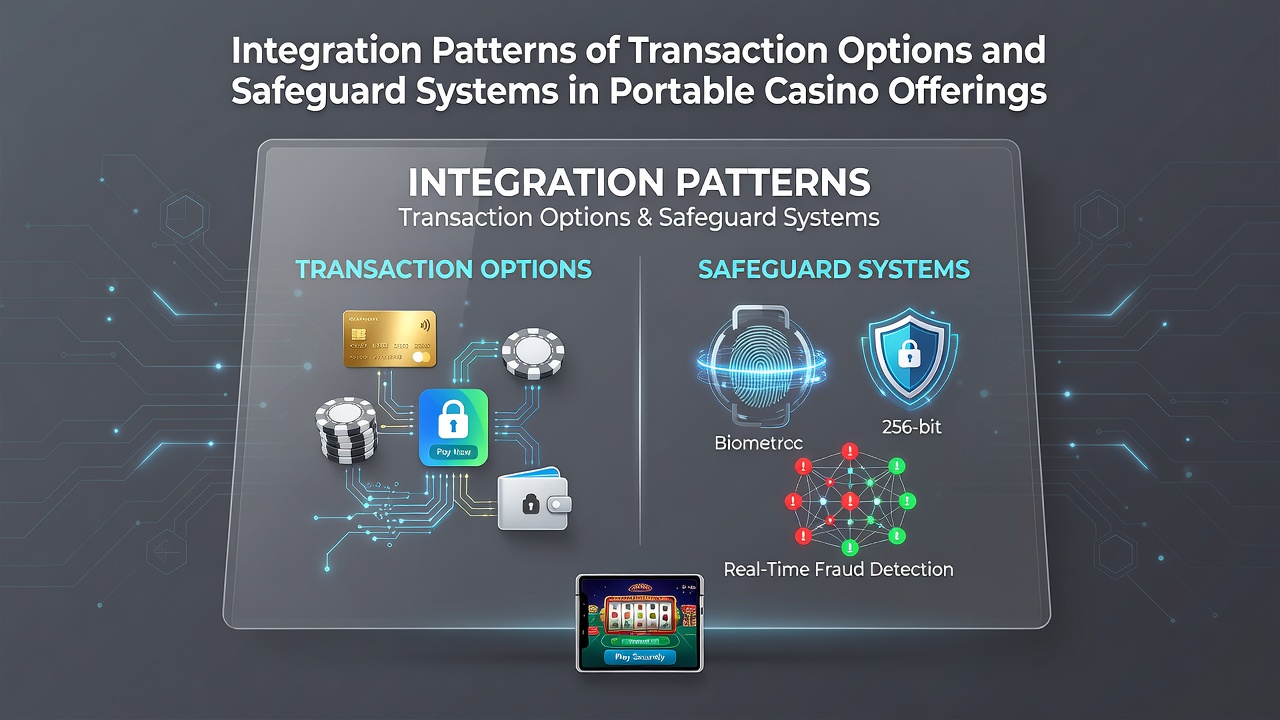
Portable casino offerings have expanded rapidly as mobile technology supports seamless access to gaming environments, and transaction options now integrate directly with safeguard systems to maintain operational standards. Developers embed payment gateways into applications so deposits and withdrawals occur alongside verification protocols, creating unified workflows that handle both financial flows and compliance checks in a single interface.
Core Components of Transaction Systems
Payment methods in these platforms range from digital wallets and bank transfers to cryptocurrency options, with integration occurring through APIs that connect user accounts to backend processors. Researchers note that real-time authorization occurs at teh point of deposit, pulling data from multiple sources including banking records and identity databases to confirm eligibility before funds move. In November 2026, several operators updated their mobile frameworks to support faster settlement times while maintaining layered authentication steps that trigger automatically based on transaction size.
Withdrawal processes follow similar patterns, where safeguard modules review account history and activity levels before releasing funds. Systems flag unusual patterns using algorithms that cross-reference session data with prior transactions, allowing operators to pause processes for additional review without disrupting the user experience on portable devices.
Safeguard Mechanisms and Their Technical Ties
Safeguard systems encompass encryption standards, age verification tools, and responsible gaming features that activate during transaction sequences. Data indicates that multi-factor authentication combines with device fingerprinting to secure each payment step, reducing unauthorized access risks across mobile networks. According to reports from the National Council on Problem Gambling, integrated tools allow users to set deposit limits that sync directly with transaction processors, enforcing restrictions without requiring separate app navigation.
Geolocation services add another layer by verifying user location against regulatory boundaries during both deposits and withdrawals. These checks run continuously in the background, linking with payment gateways so transactions halt if location data falls outside permitted zones. Observers note that such alignments prevent compliance gaps that might otherwise arise when users switch between different mobile carriers or VPN connections.
Integration Patterns Observed in Current Deployments
One common pattern involves modular architecture where transaction modules communicate with safeguard databases through secure channels, enabling instant updates to user profiles whenever a payment event occurs. For instance, a deposit exceeding predefined thresholds automatically prompts a responsible gaming assessment, and results feed back into the payment system to adjust future limits. This bidirectional flow keeps both systems aligned without manual intervention from support teams.
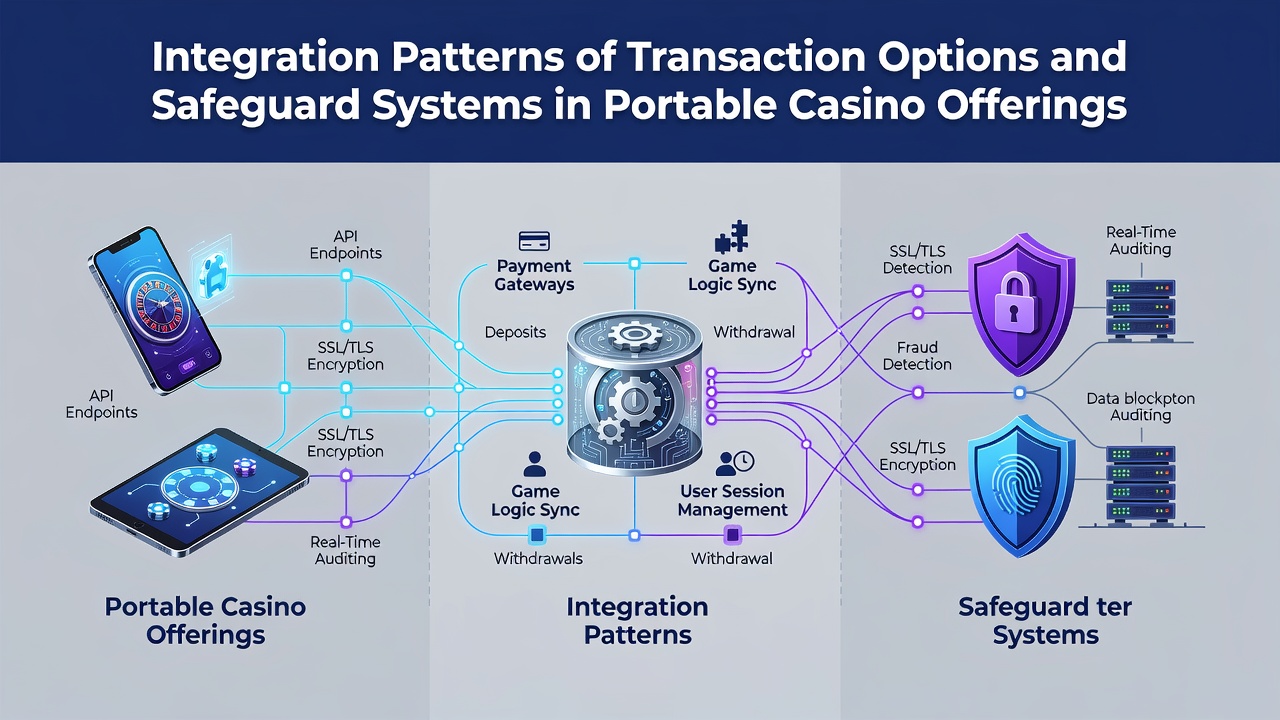
Another pattern relies on event-driven triggers, where safeguard protocols activate only upon specific transaction events rather than running constantly. Industry analyses show this approach conserves device resources while still meeting regulatory requirements for ongoing monitoring. In regions following standards from the Responsible Gambling Council of Canada, such selective activation has become standard in portable applications to balance security demands with performance needs.
Hybrid models combine elements of both patterns, using cloud-based processing for heavy verification tasks while keeping lighter checks on the device itself. Developers implement these to handle peak usage periods in November 2026, when mobile traffic typically spikes during holiday promotions and major sporting events. The result appears as consistent transaction success rates even as safeguard layers scale up in response to increased activity.
Challenges in Maintaining Seamless Alignment
Network variability across mobile carriers introduces occasional delays in data exchange between transaction processors and safeguard modules, prompting operators to build fallback mechanisms that queue actions until connectivity stabilizes. Studies from academic sources on digital infrastructure reveal that latency under 200 milliseconds remains critical for maintaining user trust during payment sequences. When delays exceed this threshold, systems often display transparent notifications explaining the hold without exposing underlying technical details.
Regulatory variations across jurisdictions further complicate integration, as safeguard requirements differ in areas such as data retention periods and verification frequency. Operators address this by maintaining region-specific configuration files that load automatically based on detected user location, ensuring transaction flows adapt without requiring separate app versions.
Conclusion
Transaction options and safeguard systems in portable casino offerings continue to evolve through tighter technical alignments that support both financial operations and compliance needs. Patterns emerging in 2026 demonstrate how modular designs, event triggers, and hybrid processing enable these components to function as coordinated units rather than isolated features. As mobile platforms expand, these integration approaches provide the foundation for consistent performance across diverse regulatory environments and user scenarios.